Africa Cannot Build a Complete Creative Economy Without Comics: Nigeria as a Case Study
10 Dec 2025
Feature
Recent Posts
We Are Moving
14 Feb 2026
Toontopia Festival Returns for Second Edition as Nigeria’s Animation Ecosystem Expands
14 May 2026
Cultural Blind Spot and the Missing Category: Why AMVCA Must Recognise African Animation
13 May 2026
Cairo’s Animatex 2026: A 90-Year Legacy Meets the Cutting Edge of Global Animation
18 Feb 2026
Introducing The10: A Curated List of Women Shaping Africa’s Comic and Animation Future
16 Feb 2026
For years, Africa’s creative economy has been discussed through the familiar pillars: Nollywood, Afrobeats, fashion, digital content creation, gaming, photography, and the burgeoning animation sector. These industries are deservedly celebrated. They are vibrant, youthful, and globally competitive.
But as policymakers, investors, and development institutions continue to define the continent’s creative future, one sector remains conspicuously absent from formal recognition: the comic book industry. And this omission is neither benign nor trivial. It is economically costly.
If Africa is serious about building a competitive creative economy, one that is underpinned by intellectual property, cultural self-definition, and youth-driven innovation, then it must place comics at the centre of its discourse.
Not on the margins. Not as a hobby. As an industry.
Comics Are the Missing Engine in Africa’s Creative Value Chain
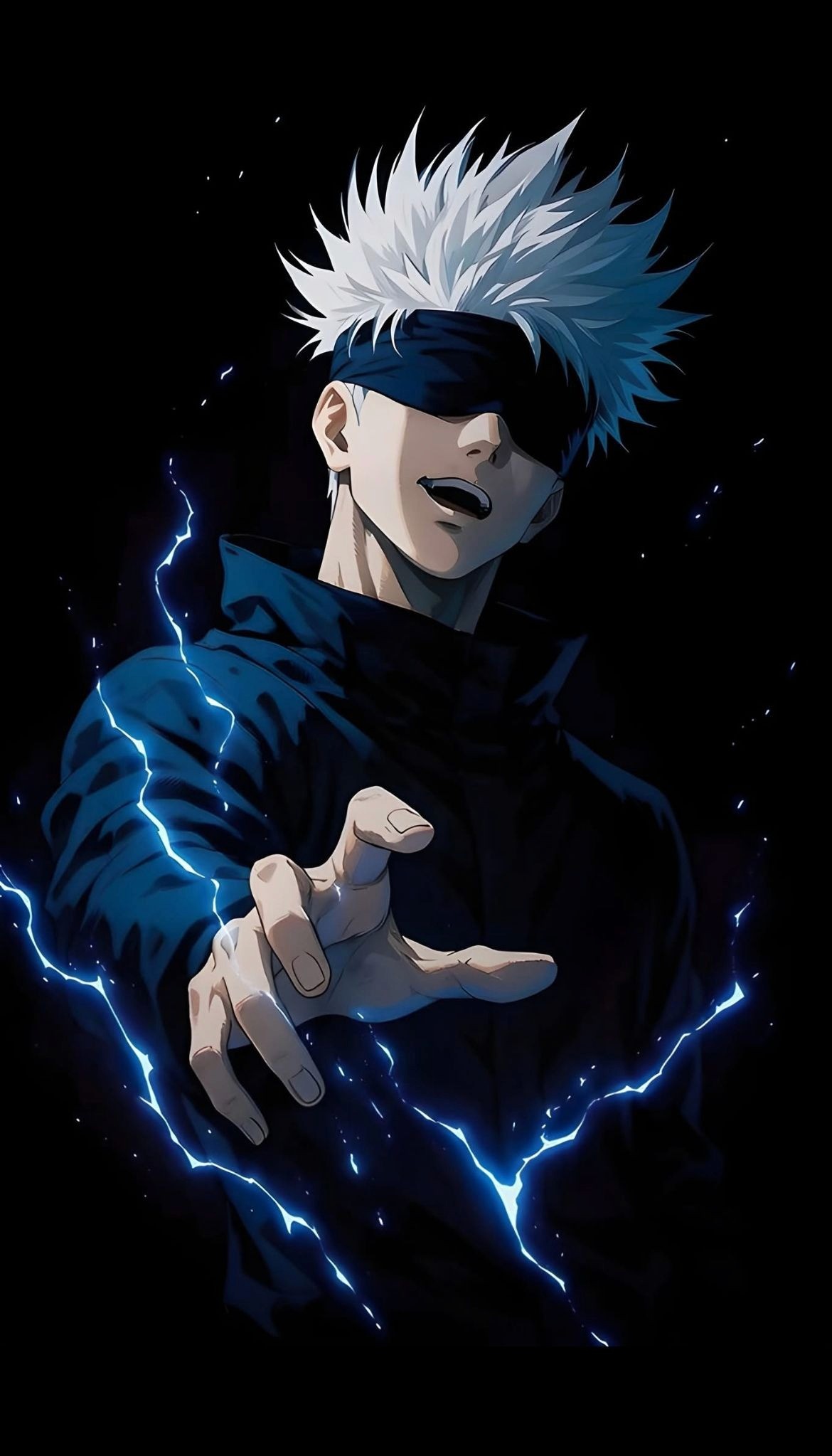
Globally, comics are not a niche. They are the foundation upon which multi-billion-dollar ecosystems are built. Japan’s animation market is fuelled by manga. South Korea’s streaming and gaming successes are anchored in webtoons. The United States’ highest-grossing films continue to draw from comic book storyworlds.
Africa, meanwhile, has an extraordinary pool of illustrators, storytellers, designers, digital artists, and creative entrepreneurs, yet they operate in a policy vacuum. As TheACE team work on its latest Nigerian comic industry report, an excerpt from the industry economics analysis reveals that the Nigerian comic sector alone is already displaying the fundamental characteristics of a creative industry: multiple revenue streams, professionalised production workflows, distinct market segments, and early-stage IP licensing activity.
We therefore argue that this is not a scattered hobby community as most try to look at it; it is an emerging economic sector waiting for recognition.
A Young Industry, but an Industry Nonetheless
The data is clear. Nigerian creators are monetising through print sales, digital downloads, subscriptions, commissions, brand partnerships, merchandise, and early licensing opportunities. Comic conventions, supermarkets, digital platforms such as Webtoon and GlobalComix, and local distributors like SM Comics App and Galatoons have become viable sales and engagement channels.
Production costs are high, often exceeding ₦500,000 per issue, yet creators continue to invest in their work despite unstable revenue and limited institutional support. Income levels vary widely, from emergent creators earning less than ₦100,000 annually to established studios crossing ₦3 million. These disparities are not signs of failure; they are markers of an industry in its early developmental phase, much like Nollywood in the 1990s or Afrobeats before the streaming era. And, crucially, consumer demand exists.
Our ongoing reader survey shows a defined segmentation: loyal print buyers, mobile-first digital readers, collectors, casual fans, and a sizeable diaspora audience. These groups behave like consumers in any recognised cultural market, making purchasing decisions based on format, price, storytelling quality, and brand affinity.In other words, the market groundwork has already been laid.
Why Are Comics Absent from Africa’s Creative Policy?
Comics are perhaps the most misunderstood creative subsector on the continent. They are labour-intensive yet low-cost compared to film or animation. They produce intellectual property quickly. They are digitally native. They train talent in writing, design, colour theory, user engagement, and visual communication, skills that feed the entire creative economy.
They are also the most efficient entry point for countries seeking to build soft power and export original African stories. Yet, they remain structurally underfunded, under-researched, and overlooked in national creative-economy frameworks from Nigeria to Kenya, Cameroon to South Africa. This oversight hurts everyone — creators, investors, policymakers, and the continent’s cultural competitiveness.
The Economic Reality: Comics Are R&D for Everything Africa Wants to Build
Africa wants more animation?
Start with comics.
Africa wants more games?
Start with comics.
Africa wants more film franchises and global streaming originals?
Start with comics.
Africa wants commercially viable IP catalogues that can travel across borders under AfCFTA?
Start with comics.
Comics are the research-and-development layer of the entertainment economy. They are where characters are tested, worlds are built, stories are refined, and audiences are formed, all before the first frame of animation or film is produced. They are cost-effective, audience-driven, and endlessly adaptable.
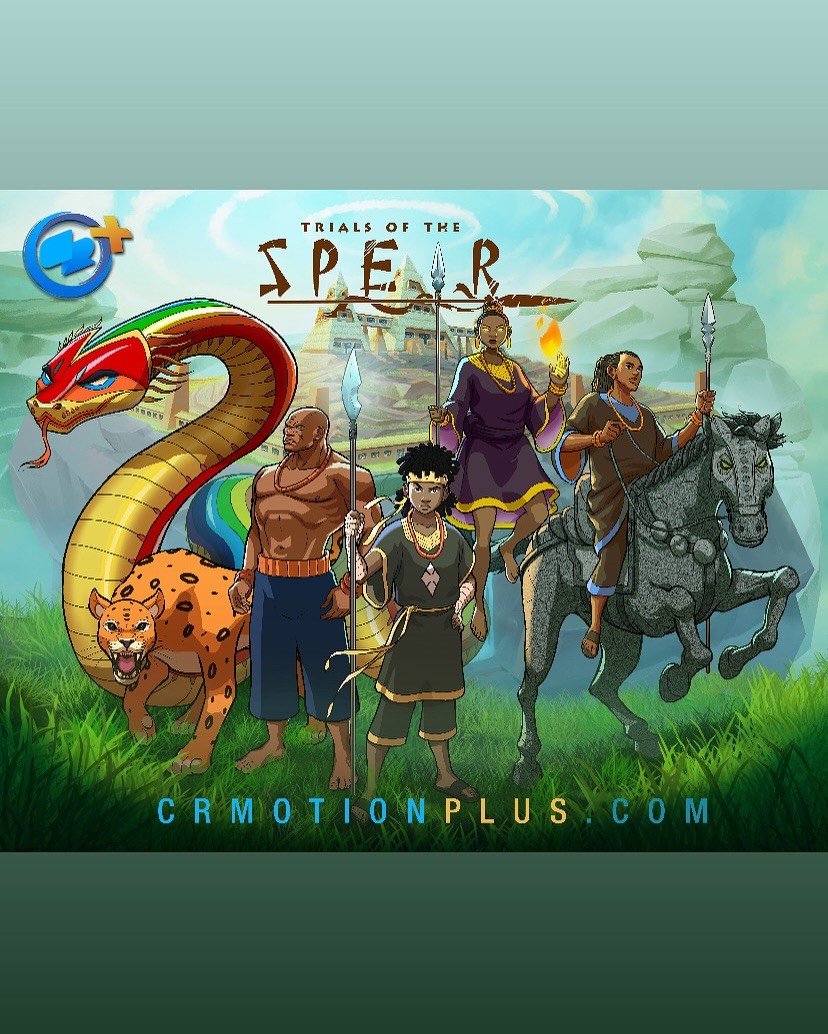
When Nigerian studios like Comic Republic, Spoof!, Kugali, The Machine, or YouNeek develop new characters, they are not merely creating books. They are creating future licensing opportunities, merchandising assets, potential film deals, digital content pipelines, and brand partnerships. And the international market is already watching. Disney’s collaboration with Kugali for Iwájú was not an anomaly, and Comic Republic’s recently announced partnership with Arc and Beyond, Japan External Trade Organisation (JETRO), and Megumi Okawa on adapting its Trial of the Spear title into anime-style animation is a preview of what is possible when African comic IP is taken seriously.
The Broader Creative Economy Knows the Value, Why Don’t Our Policies?
The Nigerian Creator Economy Report recognises film, music, gaming, photography, digital art, and content creation as major sectors. Comics, by every definition, fit neatly among them: they merge visual art, publishing, digital media, character design, and storytelling craft. They generate intellectual property. They create jobs. They move money. They build audiences.
Yet when policymakers convene to discuss the creative economy, the comic industry is still treated as an outsider. This is a miscalculation; one Africa can no longer afford.
A Call to Action: Recognise Comics as a Strategic Creative-Economy Sector
If Africa intends to position itself as a competitive creative powerhouse, the inclusion of comics must be explicit, not implied. The sector needs formal recognition in national creative economy policies, dedicated funding for comic production and distribution, comic-to-animation and comic-to-film pipelines, support for conventions as legitimate economic events, investment in digital platforms and creator monetisation infrastructure, stronger intellectual property protection frameworks, creative hubs that incubate comic storytellers and illustrators, and cross-border licensing mechanisms under AfCFTA.
This is not about charity or nostalgia. It is about economic strategy. Africa’s creative future will be shaped by the stories it exports, not only in music and film, but in the visual narratives that define its worlds, characters, mythologies, and cultural imagination.
The Way Forward
Africa’s next global cultural breakthrough may not emerge from a blockbuster film set or a recording studio. It may begin with a pencilled sketch on a tablet in Lagos, Nairobi, Accra, Douala, Kigali, Kampala, Johannesburg, Tripoli, or Cairo, a story that speaks to the continent’s identity and captures the world’s imagination.
The question is simple: Will Africa recognise the value of its comic creators before the rest of the world does? Because the creative economy will not reach its full potential until the comic book sector is seen, supported, and treated as the strategic engine it has always been.
And for Africa, that window of opportunity is open — but not indefinitely.
…………………………………………………………….
…………………………………………………………….
AI Use at TheACE
TheACE uses artificial intelligence tools to support research, drafting and analysis across Africa’s creative industries. All content is verified, edited and approved by our human editorial team to ensure accuracy, clarity and responsible storytelling. AI assists our work; it does not replace human judgment.