Drawing from the South: How Southern Africa Built One of the Continent’s Most Enduring Comic Cultures
18 Dec 2025
Case Study
Recent Posts
We Are Moving
14 Feb 2026
Toontopia Festival Returns for Second Edition as Nigeria’s Animation Ecosystem Expands
14 May 2026
Cultural Blind Spot and the Missing Category: Why AMVCA Must Recognise African Animation
13 May 2026
Cairo’s Animatex 2026: A 90-Year Legacy Meets the Cutting Edge of Global Animation
18 Feb 2026
Introducing The10: A Curated List of Women Shaping Africa’s Comic and Animation Future
16 Feb 2026
For over a year, TheACE has closely followed the rise and evolution of African comics through a West African lens, particularly Nigeria, tracking new titles, creators, and industry shifts as they unfolded. That focus was deliberate. Nigeria’s volume, visibility, and pace made it a logical starting point. But Africa’s comics story is not singular, nor is it geographically confined.
As our coverage expanded northwards into traditions of political illustration and graphic journalism, and eastwards into experimental digital comics and genre-blending narratives, one region demanded closer attention. Southern Africa, often quieter in continental discourse, has developed a comics culture defined not by hype, but by endurance.
In South Africa, Zimbabwe, and Namibia, comics have long served as social memory, political record, and cultural experimentation. This is not a scene chasing acceleration; it is one shaped by history, constraint, and a deep commitment to storytelling as documentation.
South Africa: Where Comics Became Social Memory
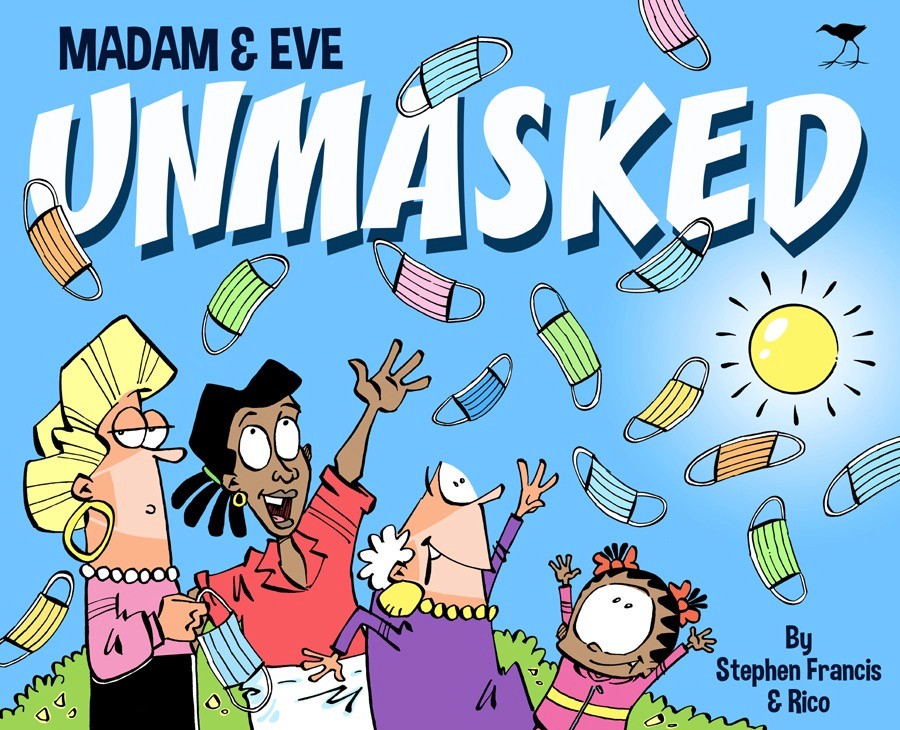
South Africa’s comics tradition is inseparable from its political transition. Long before the current wave of graphic novels and locally rooted superheroes, comics had already embedded themselves in the national consciousness, most famously through Madam & Eve. Launched in 1992, the strip chronicled the relationship between Gwen Anderson, a white liberal employer, and Eve Sisulu, her Black domestic worker, at the precise moment apartheid was collapsing. Its enduring relevance lay in function rather than format. Through satire, it recorded elections, power crises, corruption scandals, and cultural realignments in real time, becoming an informal visual archive of post-apartheid South Africa—accessible, sharp, and unflinchingly observant.
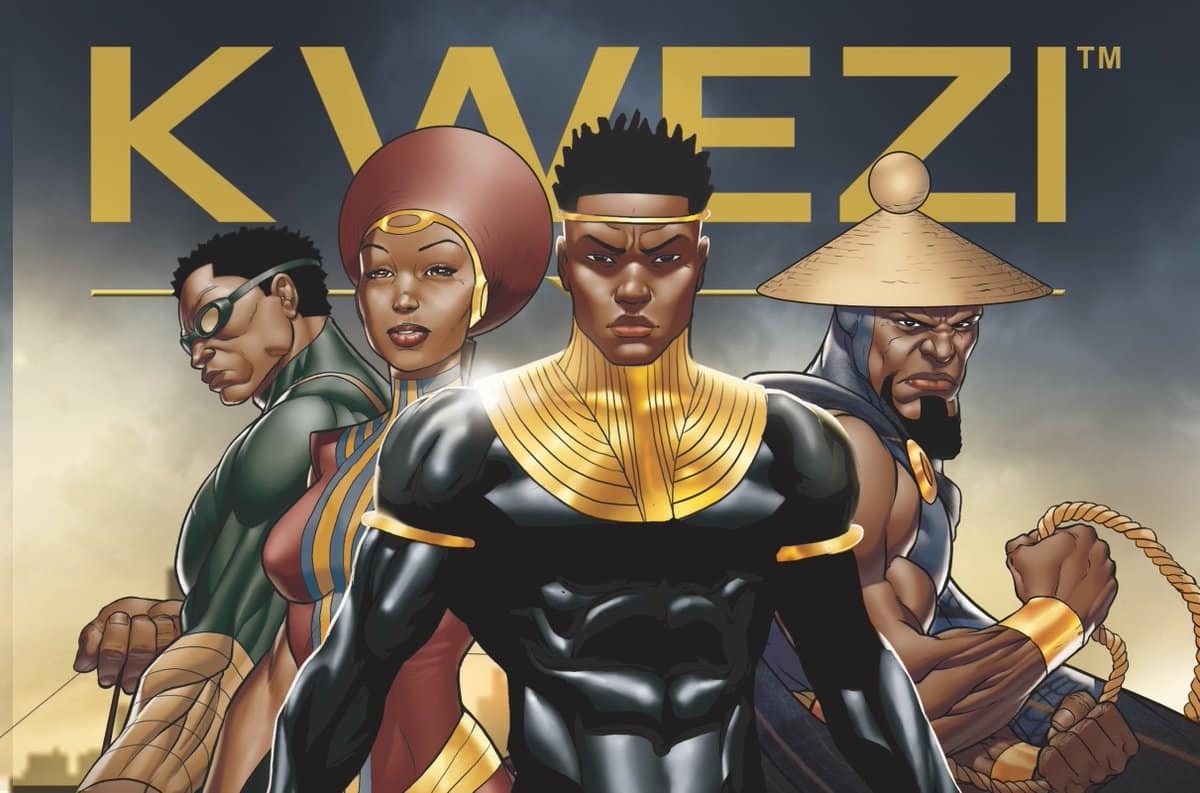
That legacy shaped the trajectory of South African comics that followed, teaching early on that relevance mattered more than escapism. This sensibility is evident in contemporary long form works and superhero narratives, which resist abstraction in favour of place. South African heroes do not operate in anonymous cities or borrowed mythologies; they are grounded in township realities, urban youth culture, and indigenous belief systems. One of the most visible developments in recent years has been Kwezi, created by Loyiso Mkize and Clyde Beech. The series follows a young South African protagonist discovering superpowers in a setting rich with local slang and urban experience and is widely cited as South Africa’s first major Black superhero comic.
Independent creators have also produced notable self-published and web-based comics that broaden the scene’s scope. Deon de Lange’s Gofu, a finely detailed fantasy comic launched in 2013, has appeared at both South African festivals and international anthologies. His Tomica webcomic, co-created with David Covas Lourenco, combines sci-fi adventure with self-published formats that embrace both digital and print circulations. Cottonstar, by Danelle Malan and Ben Geldenhuys, exemplifies the post-2007 independent comics boom, blending dystopian storytelling with weekly online releases and print editions.
South African creators have also reclaimed local history and myth through graphic narratives. Luke Molver’s Shaka Rising: The Legend of the Warrior Prince blends historical research with comic storytelling to reframe the life of Zulu king Shaka for contemporary readers. Similarly, biographical and educational comics such as Lesego Ditlhake’s Basadi Sadi celebrate important figures from the anti-apartheid era, fusing graphic art with poetry and prose in hybrid narrative forms. The scene also includes pioneering autobiographical and alternative works: Mogorosi Motshumi’s The Initiation, the first graphic novel autobiography by a Black South African creator, charts his political awakening within the broader context of apartheid resistance.
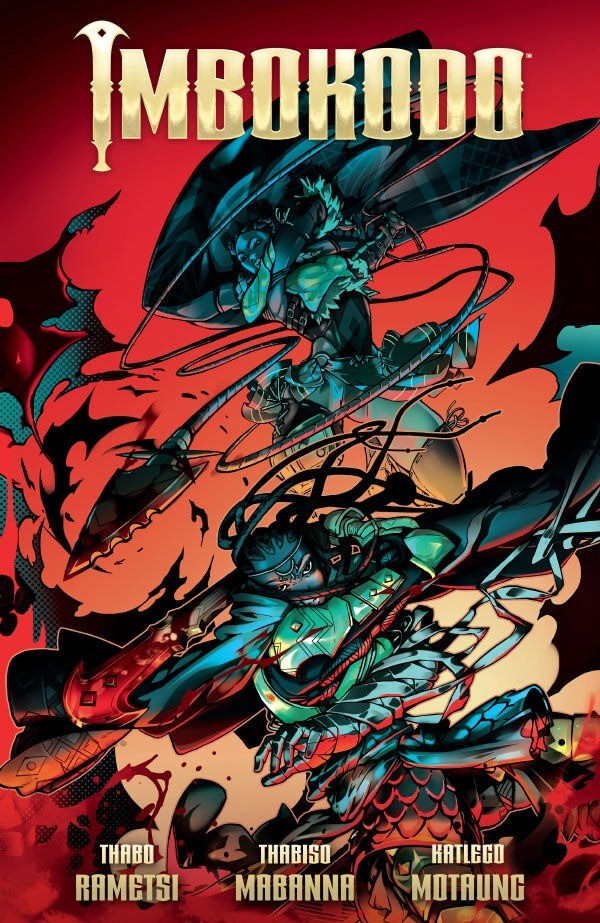
Alongside these works, Imbokodo, co-created by Thabo Rametsi, Thabiso Mabanna, and Katlego Motaung, represents one of Southern Africa’s most ambitious graphic fantasy projects. Set within a world inspired by the Monomotapa Empire, Imbokodo centres on Queen Nyameka and her elite warriors, blending epic fantasy with African political philosophy. Its continued circulation and renewed attention in recent years affirm its role as a cornerstone of South African graphic storytelling—serious in scope, mythically grounded, and unapologetically African in worldview.
Together, these works illustrate a pluralistic comics ecosystem in South Africa, spanning satirical strips and mainstream formats, indie and web platforms, historical and speculative narratives, and locally resonant superheroes, all contributing to a vibrant, evolving comics culture deeply rooted in South African experience.
Supporting this creative output is a relatively strong publishing infrastructure. Established presses, classroom integration, newspaper syndication, and local printing capacity have allowed comics to circulate as cultural texts rather than novelty artefacts. This ecosystem has enabled stories about history, environment, identity, and social justice to reach audiences without sacrificing local specificity.
Zimbabwe: Comics as Resistance and Record
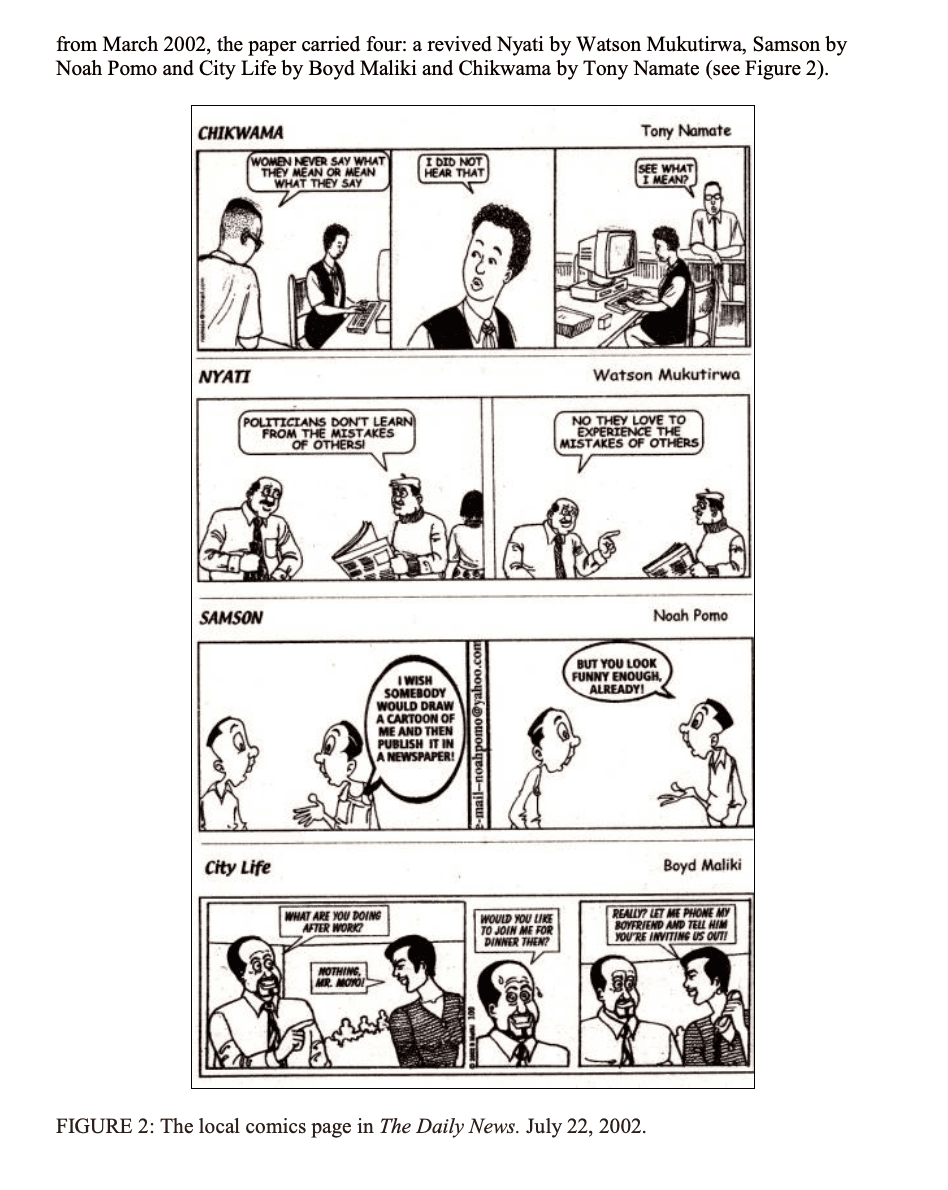
Zimbabwe’s comics culture is shaped by urgency. Against a backdrop of political repression, economic instability, and contested memory, graphic storytelling has evolved as a method of resistance and record-keeping.
Political cartooning remains central. Artists such as Tony Namate have used illustration as confrontation, direct, uncompromising, and often controversial. These works, like his Chikwama strips on The Daily News, do not merely comment on power; they expose it. In environments where speech is constrained, the drawn line becomes both shield and weapon.
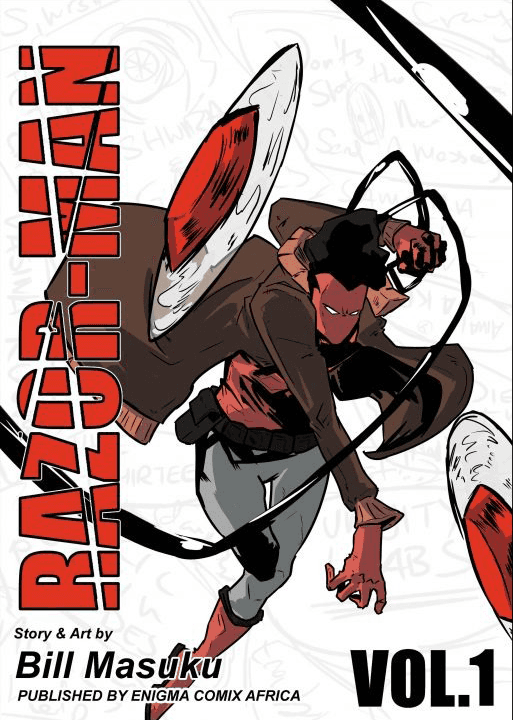
Beyond satire, Zimbabwe’s contemporary comics scene also turns to folklore and speculative storytelling as narrative strategy. Creators adapt Shona and Ndebele cosmologies, ancestral guardians, village protectors, spiritual intermediaries, amongst other influences into modern graphic narratives. Bill Masuku, known for Razor Man and active in regional comics conversations, represents the contemporary generation of creators working in genre forms. These stories operate on multiple levels, using myth to articulate social tension, historical erasure, and collective anxiety.
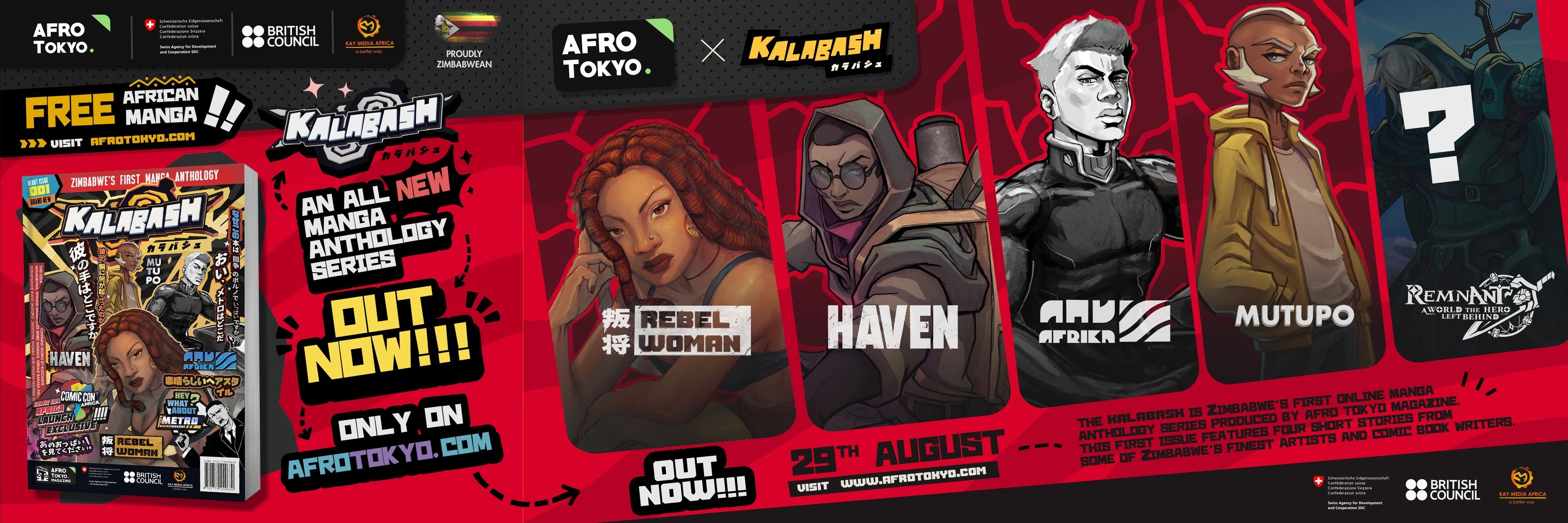
The Kalabash anthology stands as one of the most significant expressions of this movement. Produced through a Zimbabwean-led initiative with strong manga influences, Kalabash showcases short-form stories that blend folklore, fantasy, and experimental visual language. Its black-and-white aesthetic and anthology structure provide space for emerging voices, positioning Zimbabwe not as a peripheral market, but as a laboratory for form and storytelling rhythm.
Economic constraints have also reshaped how Zimbabwean comics circulate. With print production often inaccessible, creators have embraced digital-first publishing out of necessity. Instagram, webcomic platforms, and locally managed digital libraries have become primary distribution channels. A vivid example is Comexposed Converge, Zimbabwe’s premier digital arts convention. What is lost in physical scale is often regained in reach, adaptability, and creative freedom.
Namibia: A Frontier of Raw Experimentation
Namibia’s comics ecosystem is smaller and less formalised, but its creative ambition is pronounced. There have been workshops and exhibitions, like the Speech Bubble comic workshop and exhibition at the FNCC which featured local artists’ comic strips, this was an episodic rather than continuous or large-scale commercial ecosystem. Operating without a large domestic market or established publishing infrastructure, Namibian creators have leaned into experimentation, both thematically and structurally.
Stories emerging from the country draw from its indigenous traditions like San and Himba folklore, desert mythologies, post-colonial identity, and urban youth culture. Rather than polished genre conventions, many works prioritise immediacy and exploration.
Projects such as Hai Ti! and Free Rangers are among the few documented examples. Beyond these, individual creators and informal youth groups increasingly experiment with webcomics rooted in everyday experience, humour, unemployment, migration, intimacy, suggesting a generation narrating itself in real time, often outside formal publishing structures.
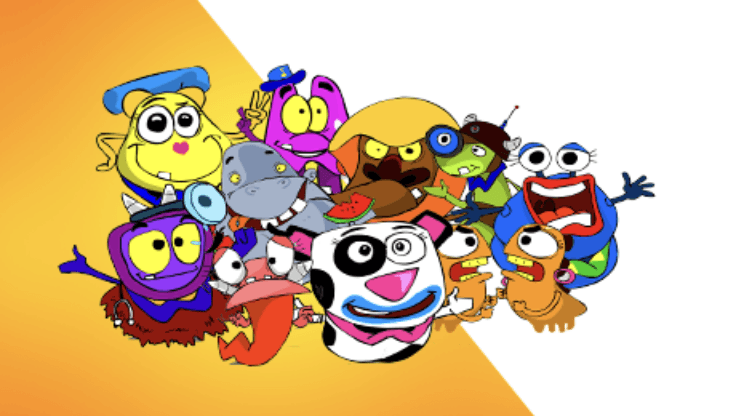
Namibia’s animation sector has recently gained momentum, marked by the establishment of formal training programs such as the Digital Arts and Animation department at Namibia University of Science and Technology, which signal expanding opportunities for visual storytellers beyond traditional media. Waka Waka Moo (2018), created by Luis Munana, offers an early indication of this gradual shift.
While detailed documentation of creators moving fluidly between comics and motion media is still emerging, the growing skills base suggests increasing cross-media fluency. Creative production and dissemination in Namibia continue to be largely informal, through workshops, community showcases, and digital channels, an environment that can foster experimentation and exploratory visual languages in the absence of established commercial systems.
What Namibia lacks in scale, it compensates for with imaginative latitude. This is well captured in our detailed case study on Namibia’s quietly growing comic scene.
Beyond the Big Three: An Essay on the Peripheral Scenes and Persistent Stories
Beyond South Africa, Zimbabwe, and Namibia, Southern Africa’s comics ecosystem widens into smaller, quieter scenes. In these countries, comics rarely consolidate into visible industries, yet they persist through individual creators, educational publishing, and digital experimentation, reinforcing a regional logic of survival through adaptation.
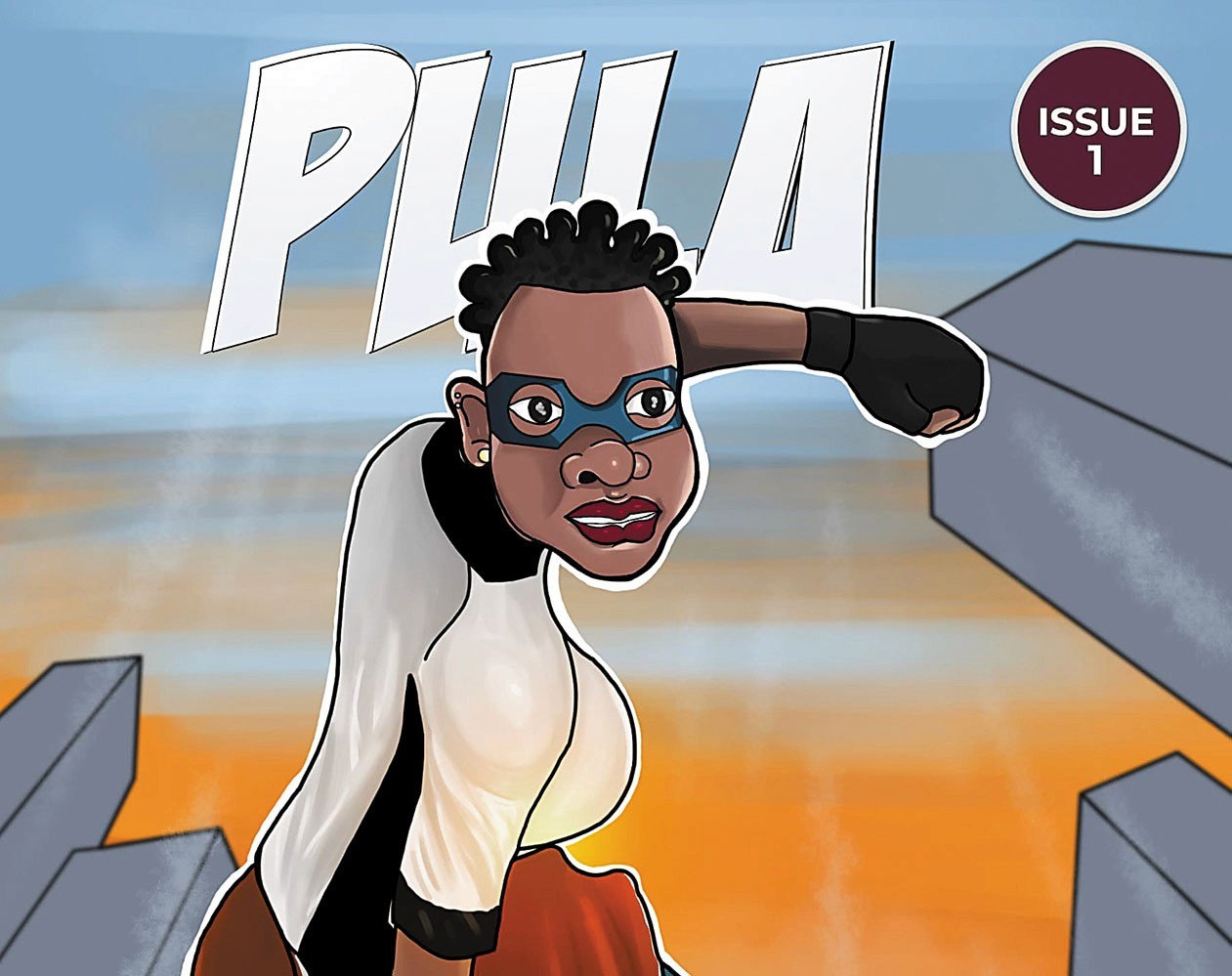
In Botswana, comics presence is modest but culturally rooted. Projects such as Mmutle: The Spirit of Botswana reinterpret Tswana mythological figures through contemporary illustration, translating oral tradition into sequential form. Others like the locally produced superhero Pula, created by Mark Kalayakgosi, is widely reported as Botswana’s first comic book superhero, blending action with social themes and aiming to reflect issues that resonate with Batswana.
Beyond individual titles, comics frequently emerge through educational and youth-focused publishing, where panelled storytelling is used to communicate history, morality, and civic values. These works may not always circulate as commercial comic books, but they function as such in structure and intent. They reflect a recurring Southern African pattern: comics as tools of cultural continuity before market products.
Lesotho’s comics exist not as an industry, but as a visual habit. Activities remain informal, emerging through historical adaptations, and editorial cartoons that address migration, governance, and everyday life in Basotho society. The life of Moshoeshoe I, the nation’s founder, has been rendered in comic-style educational books aimed at younger audiences, blending history, pedagogy, and sequential art.
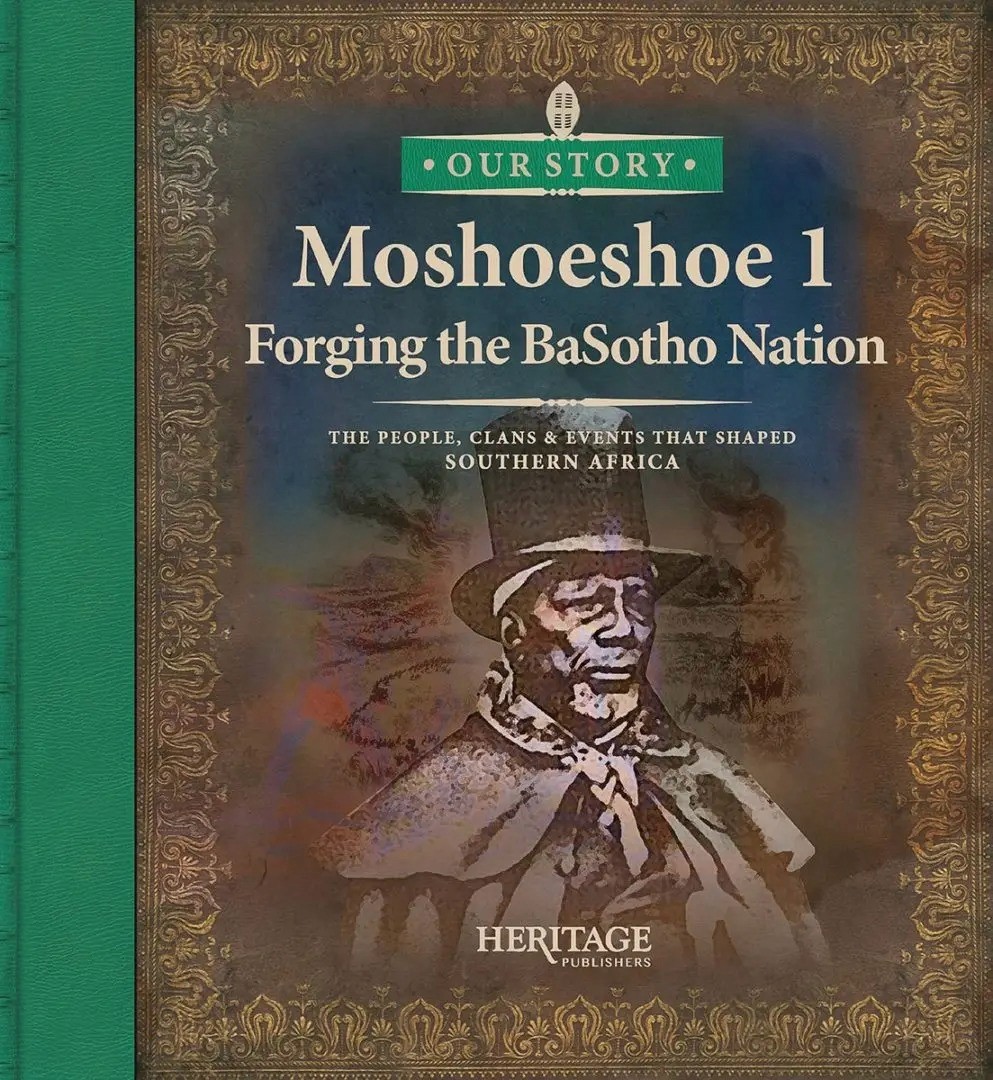
While there is no consolidated comics industry, Editorial cartoons and short narrative strips addressing labour migration, governance, and daily Basotho life also contribute to a comics-adjacent culture. These visual narrative practices function as comics-adjacent culture embedded in how history and daily experience are communicated.
Unlike the visual habit in Lesotho, Eswatini’s comics presence is largely linked to journalism rather than formal publishing. The most visible output consists of editorial cartoons and short strips in newspapers and online media, which engage socio-political themes, including national leadership, tradition, and economic pressures, through compressed visual storytelling. These cartoons, though not long-form series, function as episodic narratives that are satirical, observational, and culturally grounded.
Angola’s comics ecosystem remains emergent, shaped by a history of civil conflict and a cultural environment where Portuguese-language publication and Lusophone networks strongly influence circulation. Angola hosts the Luanda Cartoon International Comics and Animation Festival, an annual event that brings together cartoonists, illustrators, and animators, reflecting a sustained tradition of sequential art and visual storytelling in the country. Platforms such as Quadrinhos Angola also provide spaces for comics and related media, underscoring the role of digital and community-supported platforms in the absence of a large commercial market. Contemporary Angolan creators often operate within these Lusophone creative networks, and Angolan sequential art has even been exhibited internationally, such as in exhibitions in Lisbon celebrating the nation’s cultural heritage.

In Mozambique, narrative function often precedes fandom. There is no large commercial comics industry, and the country’s most consistent historical comics output appears through socially driven publications rather than mainstream series. A notable example is Moçambique por Eduardo Mondlane, a band desenhada adaptation published in Maputo in 1984 that uses sequential art to narrate the anti-colonial struggle and national history.
Graphic storytelling also appears in educational materials, where banda desenhada (comics) is used to teach visual narrative and is recognised in school curricula as a tool for communication and cultural preservation. Contemporary comics output remains sparse in formal publishing, but emerging works such as Os Informais — a locally produced comic that gives narrative expression to informal workers and social themes in Maputo — suggest a growing presence on digital and workshop platforms that blend local storytelling traditions with graphic form.
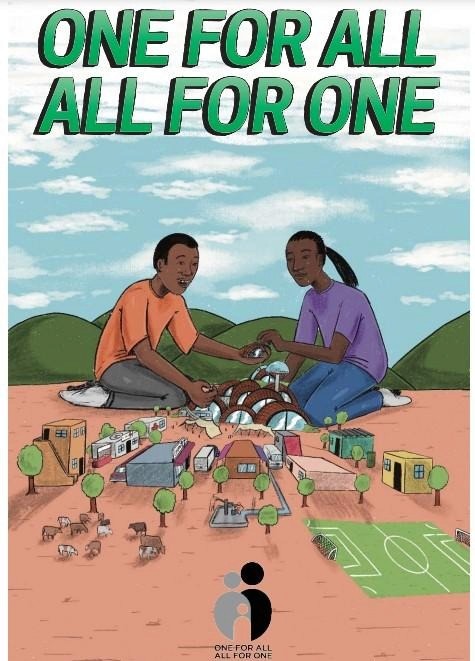
Malawi’s scene of the ninth art offers reflection rather than escapism. It remains emergent and primarily visible online. Local sequential art often appears in socially driven and educational formats rather than in established commercial series. For example, the One for All, All for One! comic book was launched in 2023 as part of a public health campaign to engage communities on immunisation, with editions in English, Chichewa, Yao, and Tumbuka distributed in schools, clinics, and online. While formal comic-book packaging is rare, the overall pattern of informal works and initiatives such as Moyo Tales reflect growing interest in localised visual storytelling.
Just like in Malawi, Zambia’s most visible comics activity is digital-first, with independent creators publishing short webcomics on platforms such as Webtoon and Instagram. Zambian creators have shared works like Holding On, Overdrive, and Mabvuto Comics through Webtoon, experimenting with genre while grounding their narratives in Zambia-inflected experiences.
While specific titles like Supacell Zed are not independently documented in major indexed sources, the broader trend of digital comics creation is clear. Visual storytellers often engage across illustration and animation as well, reflected in the emergence of studios such as Lusaka’s Tabproduction Studios Ltd., which works in animation and related visual media. Discussions among enthusiasts on local platforms highlight demand for locally produced Zambian comics, even as formal distribution channels remain limited. Community interest, digital experimentation, and crossover with adjacent visual forms point to a comics ecosystem that, while still consolidating, is exploratory and forward-looking.
A Shared Southern Logic
Across Southern Africa, a common logic emerges—whether through a South African graphic novel, a Zimbabwean anthology, a Namibian webcomic, or a Malawian digital strip: comics function as memory work, cultural preservation, and social negotiation. Folklore is not ornamental; it is structural. Heroism is not abstract; it is local. Sustainability is achieved not through scale, but through adaptability.
Ancestral myth is not relic; it is living narrative infrastructure, continually reinvented to support fantasy, speculation, and social realism. Southern African protagonists are shaped by place—they belong to townships, villages, deserts, and cities. Their power is communal, negotiated, and culturally grounded. Where other regions often prioritise acceleration and global visibility, Southern African comics demonstrate the value of durability. They are not designed to trend; they are designed to endure.
Editorial Note: Why the South, and Why Now
TheACE began by documenting West Africa’s comics ecosystem, particularly Nigeria, where scale and output made the region impossible to ignore. But as African comics mature, so must the lens through which they are examined.
Covering the continent responsibly means recognising that innovation takes different forms in different places. In the South, comics have grown slowly, shaped by history, resistance, and necessity. They remind us that cultural industries are not built by volume alone, but by relevance, memory, and commitment to place.
As TheACE continues to map Africa’s comics landscape, Southern Africa stands as a vital chapter—quieter than some regions, but deeper. If you have story ideas or projects from Southern Africa worth exploring, email us—we’ll help put the region’s creatives and studios in the global spotlight.
REFRENCES
South Africa, Namibia, and Zimbabwe
Willems, Wendy (2011). Comic strips and 'the crisis': Postcolonial laughter and coping with everyday life in Zimbabwe. Popular Communication, 9(2), 126-145.
Tendal Sauta (2023). Artist Unveils Intriguing Zim Japanese Art Fusion. Zimbabwe Independent. https://www.newsdaily.com
The Namibian (2012). Namibian Comic Con Exhibition at FNCC. The Namibian. https://www.namibian.com.na
Namibian Daily News (2023). LAC Announces Winners of Wildlife Crime Comic Competition 2023. https://www.namibiadailynews.info
Coyne, Alex (2024). The Illustrated South African Multiverse: Graphic Novels and Comic Books. Voertaal. https://www.voertaal.nu
Design Indaba (2014). The Secret Identity of SA Comics. https://www.designindaba.com
Saunders, Jarod (2020). The 4 Best South African Comic Books. Fortress of Solitude. https://www.fortressofsolitude.co.za
Watson, Mandy (2013). Comics: South Africa Roundup. Brainwavez. https://www.brainwavez.org
Parker, Ruby (2018). South Africa’s First Black Superhero Comic. GQ. https://www.gq.co.za
Botswana, Lesotho, and Eswatini
Kologwe, Obusitse (2024). Pula: Botswana’s First Superhero Comic. Sunday Standard. https://www.sundaystandard.info
Savanna Comics’ Choice Awards Expands into Africa. Media Update. https://www.mediaupdate.co.za
Koeshe, Nthatuoa (2019). Tjotji Breaks Barriers. Lesotho Times. https://www.lestimes.com
Phakela, Mohalenyane (2014). Cartoonist Career Started at Tender Age. Lesotho Times. https://www.lestimes.com
South African Heritage Publishers. Moshoeshoe: Forging the BaSotho Nation (Book 1 of 3). https://www.saheritagepublishers.co.za
Business Day (2025). Cartoon: Eswatini King of Keys. https://www.businessday.co.za
Okemwa, T. O., Njoroge, W., & Wabwire, J. (2025). Shaping Public Discourse: The Role of Editorial Cartoons in Agenda-Setting in Kenyan Newspapers. Journal of Media and Communication, 4(1), 54–67. https://doi.org/10.51317/jmc.v4i1.774
Angola and Mozambique
Luanda Cartoon International Comics and Animation Festival — Angola.
Quadrinhos Angola — Angolan sequential art platform.
Angolan comic art exhibition in Lisbon — international visibility example.
BDPalop — Lusophone comics network context.
Moçambique por Eduardo Mondlane (1984 comic adaptation). Helena Motta, Instituto Nacional do Livro e do Disco, Maputo. Wikipedia. https://en.wikipedia.org/wiki/The_Struggle_for_Mozambique
Official Mozambican education module on banda desenhada and visual storytelling. https://ieda.gov.mz/site/wp-content/uploads/2020/10/Modulo-1-de-Educacao-Visual.pdf
Os Informais — contemporary Mozambican comics project with social narrative emphasis. https://squidmag.ink/os-informais-mozambique-comics
Africa Comics — exhibition documentation, Studio Museum in Harlem. https://www.studiomuseum.org
Angola Comics BD — Facebook community documenting emerging comics culture. https://www.facebook.com/groups/angolacomicsbd
Malawi and Zambia
One for All, All for One! — public health comic book for vaccine education. https://www.mlw.mw/news_and_events/malawi-liverpool-wellcome-programme-launches-the-one-for-all-all-the-one-comic-book
Digital/social visual art trends among Malawian youth artists. Mexico Historico. https://www.mexicohistorico.com/paginas/malawi-and-its-young-voices-a-historical-perspective-af9e1acc.html
Webtoon and Zambian webcomics examples (e.g., Holding On, Overdrive, Mabvuto Comics). Nerd Otaku report: https://www.nerdotaku.org/zambian-comics-on-webtoon
Zambia animation and creative crossover (Tabproduction Studios Ltd.). Wikipedia. https://en.wikipedia.org/wiki/User:Ashmao/Tabproduction_Studios
Local community interest in comics (Reddit discussions on comics demand). https://www.reddit.com/r/Zambia/comments/1jv7y1k
Pan-African Context
The African Comics Culture Is Thriving and Diverse. Centre for Contemporary Art, Lagos (CCA Lagos). https://ccalagos.org
Broader African digital and emerging comics platforms (AfriComics). https://comics.africa
…………………………………………………………….
…………………………………………………………….
AI Use at TheACE
TheACE uses artificial intelligence tools to support research, drafting and analysis across Africa’s creative industries. All content is verified, edited and approved by our human editorial team to ensure accuracy, clarity and responsible storytelling. AI assists our work; it does not replace human judgment.