Nigeria’s New IP Strategy and What It Really Means for Comics and Animation
22 Dec 2025
Exclusive
Recent Posts
We Are Moving
14 Feb 2026
Toontopia Festival Returns for Second Edition as Nigeria’s Animation Ecosystem Expands
14 May 2026
Cultural Blind Spot and the Missing Category: Why AMVCA Must Recognise African Animation
13 May 2026
Cairo’s Animatex 2026: A 90-Year Legacy Meets the Cutting Edge of Global Animation
18 Feb 2026
Introducing The10: A Curated List of Women Shaping Africa’s Comic and Animation Future
16 Feb 2026
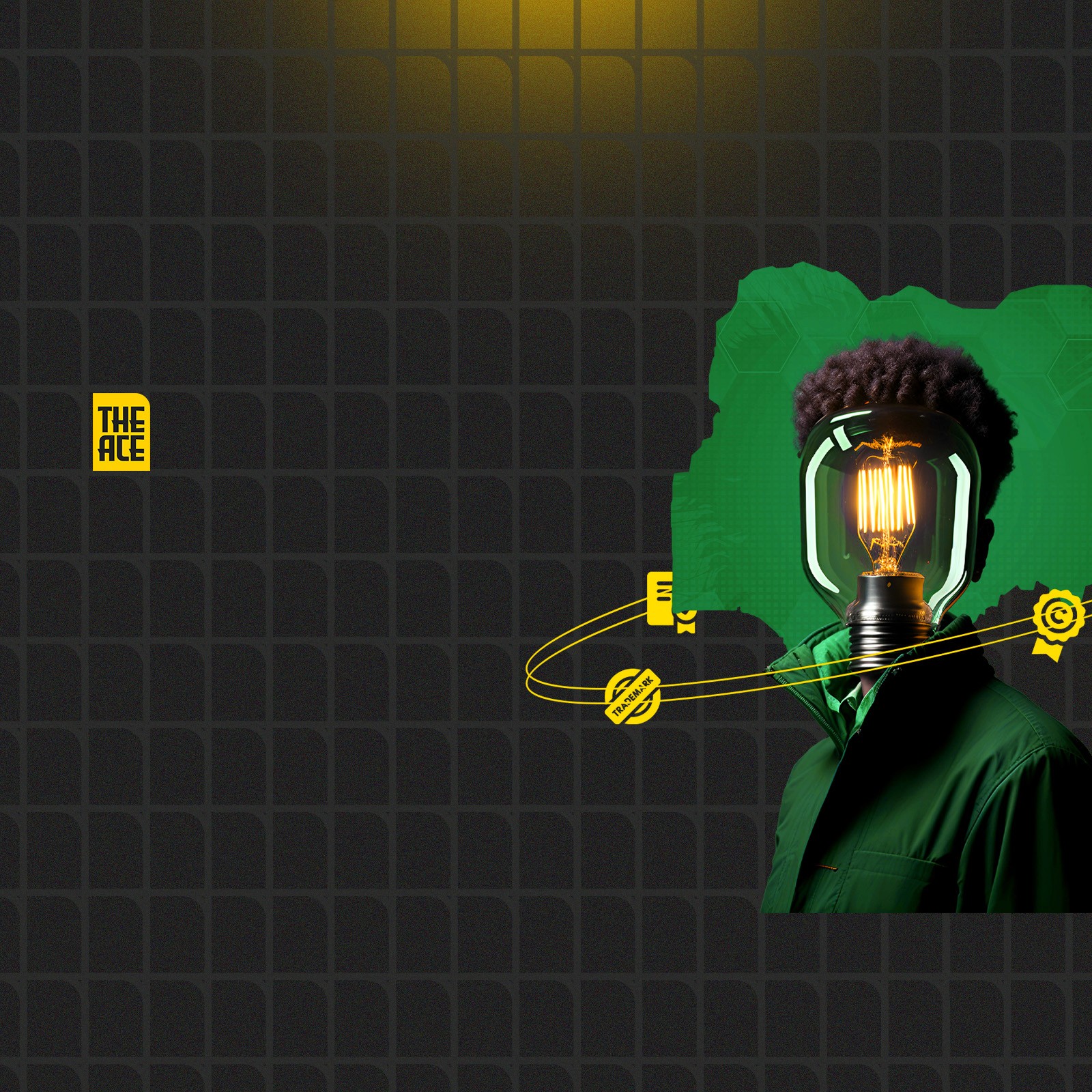
Nigeria’s National Intellectual Property Policy and Strategy mark a decisive shift in how the state understands creativity. No longer framed merely as cultural expression or entertainment, creative works are positioned as economic infrastructure, assets capable of driving innovation, attracting investment, and supporting national development.
For comic book creators and animation studios, this policy is both a validation and a warning. It validates the long-standing argument that characters, story worlds, and visual identities are valuable intellectual property. At the same time, it signals that informal creative practice is no longer sufficient in an ecosystem the government increasingly expects to be structured, registrable, and commercially legible.
Where the Policy Directly Touches Comics and Animation
First, copyright is a core asset. The policy reinforces copyright protection for literary, artistic, and audiovisual works, explicitly covering illustrations, graphic narratives, animation, digital content, and derivative works. Comics sit uniquely at the convergence of these categories: they are literary works expressed visually, often serving as the source material for animation, film, games, and merchandise.
The implication is that for comic creators, ownership of characters and story worlds becomes central, not optional. For animation studios, clear chain-of-title documentation (who owns what, and why) becomes a prerequisite for funding, partnerships, and distribution.
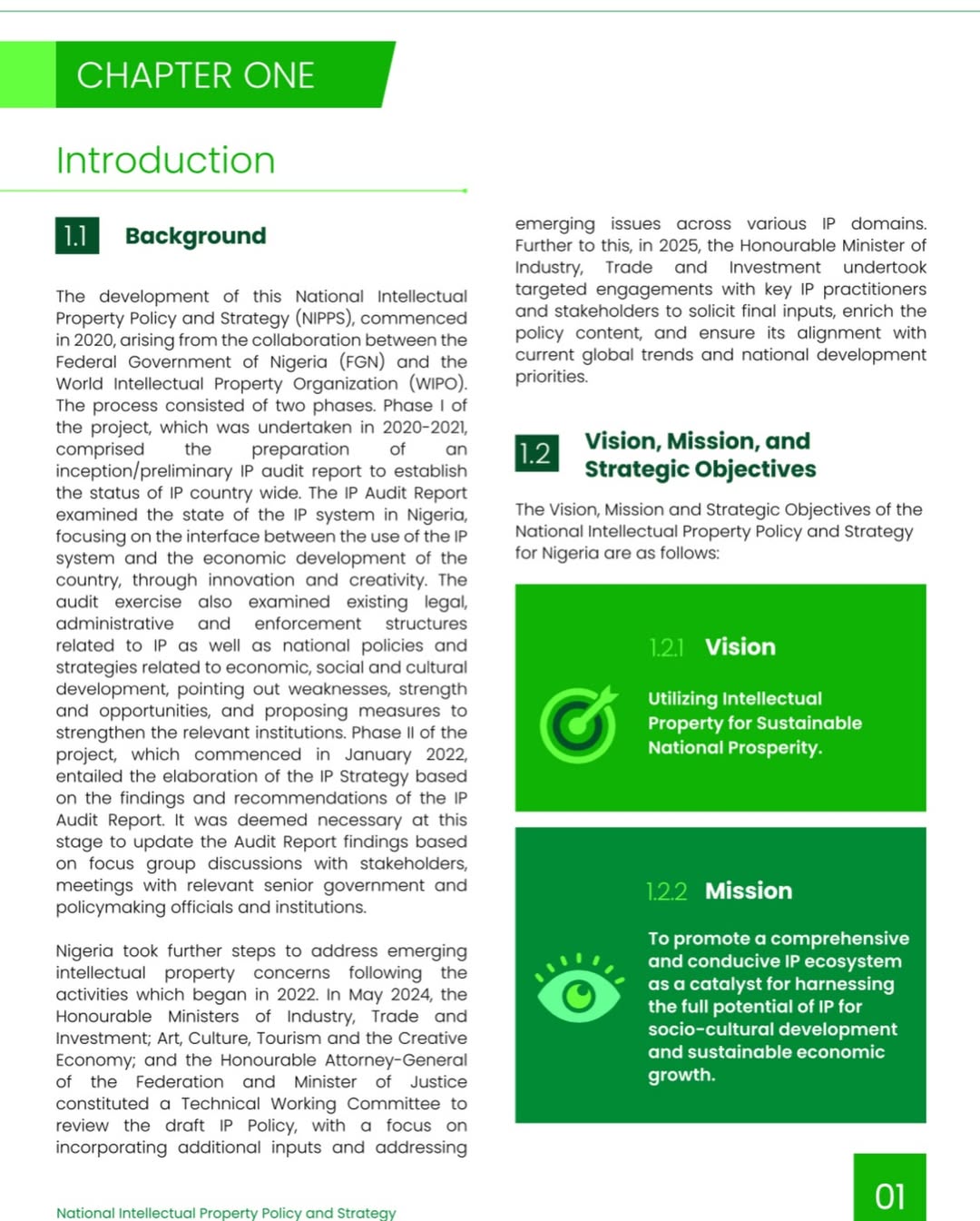
Second is IP commercialisation and licensing. A major thrust of the strategy is the repositioning of IP as a commercial asset. The policy encourages licensing, franchising, adaptation, and cross-sector exploitation of IP rather than one-off sales or commissions.
This aligns directly with global comic and animation business models. Nigerian creators are being nudged, implicitly, towards IP-led studios rather than service-only practices. A comic is no longer just a book; it is a potential animation, a game, a streaming series, and a merchandise line.
Third, the policy acknowledges the challenges posed by digital platforms, online piracy, and emerging technologies, calling for improved digital enforcement and adaptive regulation. Webcomics, YouTube animation studios, and social-media-first creators are formally recognised within the IP conversation. However, recognition does not yet equal protection, platform-level enforcement and creator literacy remain critical gaps.
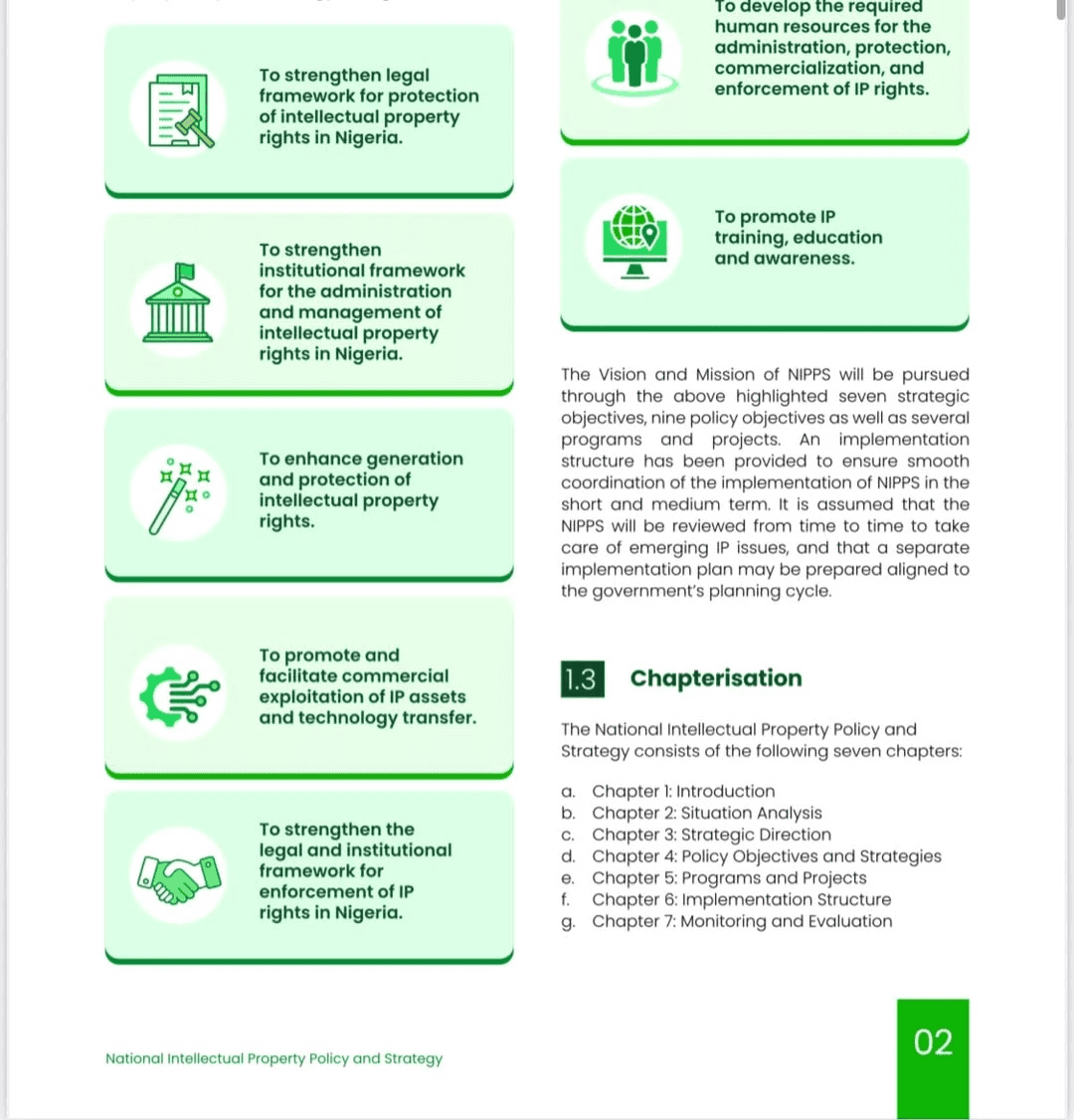
Finally, the strategy repeatedly identifies the creative industries as priority sectors for diversification, employment, and export growth. This creates a policy foundation for grants, tax incentives, export support, and public-private partnerships that could include comic publishers, animation studios, and transmedia producers, if they organise and advocate effectively.
The Reality Gap: Policy vs Practice
Despite its ambition, the policy is built on assumptions that do not yet match the realities of Nigeria’s comic and animation ecosystem.
Most creators operate informally. IP registration is rare. Contracts are often verbal or poorly drafted. Revenue models are shallow and short-term. Enforcement is expensive and inaccessible. The policy assumes creators already understand IP; the industry demonstrates that many do not.
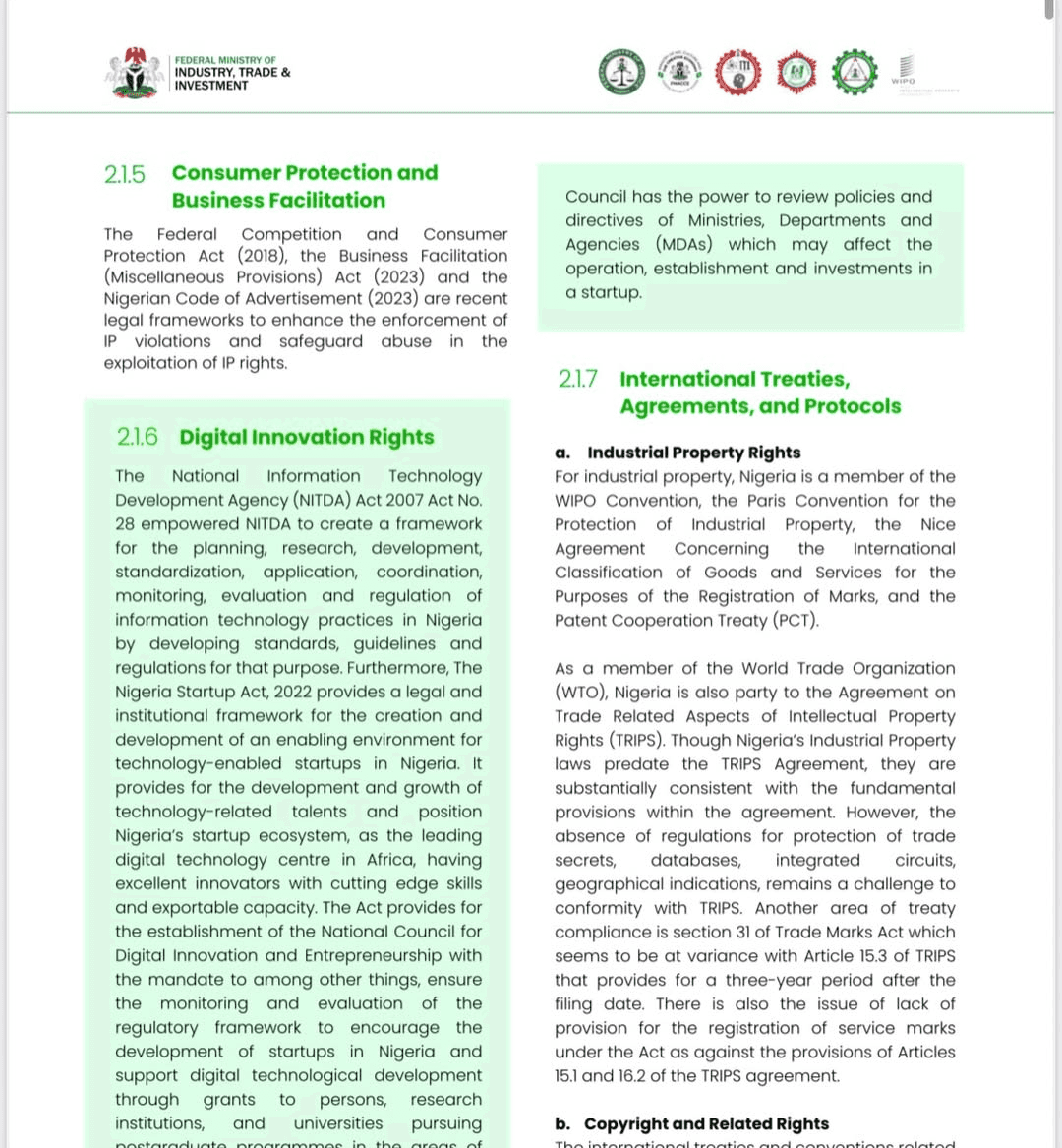
This gap is most visible in enforcement, access to registration and validation, as well as sector visibility. While the policy emphasises combating infringement, it offers limited clarity on affordable, fast dispute resolution for small creative businesses. For a comic artist dealing with Instagram piracy, formal litigation is still unrealistic.
Additionally, the policy promotes IP as collateral and an investment-ready asset, yet most creators lack the resources or knowledge to register copyrights, trademarks, or designs consistently. Furthermore, comics and animation are subsumed under “creative industries” without the specificity afforded to music or film. Without deliberate advocacy, the sector risks being overlooked in implementation.
What Creators, Studios , Conventions, and Ecosystem Builders Can Do
Individual Creators must begin documenting ownership of characters, stories, and designs, use written contracts, even for collaborations, and understand the difference between selling work and licensing IP.
Studios need to establish clear IP ownership structures before seeking funding, treat comics as development IP for animation, not just publishing outputs, and build licensing and adaptation pathways early.
Publishers and Platforms must also educate creators on rights retention and fair contracts, standardise contributor agreements, and position catalogues as IP libraries, not just content archives.
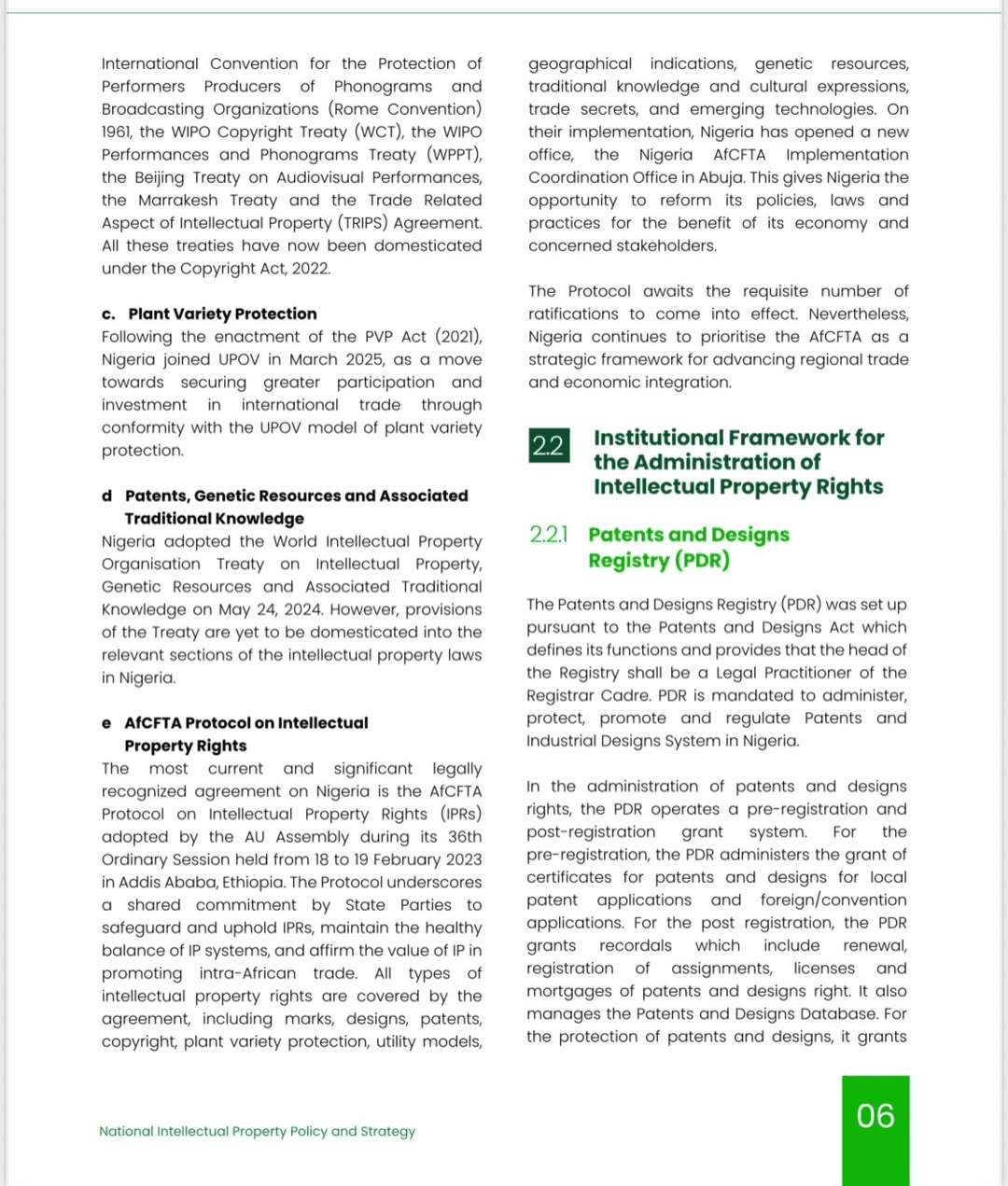
Organisations like TheACE, Comic Con Ibadan, Lagos Comic Con, and similar platforms become structurally important. They (including us) need to run IP literacy sessions tailored to comics and animation, provide contract templates and IP explainer guides, and advocate for comics and animation in policy implementation forums.
Additionally, they must act as intermediaries between creators and institutions. The policy creates the opening. The ecosystem must build the bridge.
The Strategic Takeaway
Nigeria’s National IP Policy does not magically fix piracy, funding, or enforcement. What it does is something quieter and more consequential: it redraws the rules of legitimacy.
Comics and animation are no longer hobbies in the eyes of policy. They are intellectual assets. Those who understand this shift, and adapt their practices accordingly, will be positioned to benefit from funding, partnerships, and global markets. Those who do not risk being excluded from the very framework meant to protect them.
In this sense, the policy is not a shield. It is an invitation and a test.
…………………………………………………………….
…………………………………………………………….
AI Use at TheACE
TheACE uses artificial intelligence tools to support research, drafting and analysis across Africa’s creative industries. All content is verified, edited and approved by our human editorial team to ensure accuracy, clarity and responsible storytelling. AI assists our work; it does not replace human judgment.