TheACE 2025 Wrapped: The Year African Comics Stepped into the Mainstream
27 Dec 2025
Exclusive
Recent Posts
We Are Moving
14 Feb 2026
Toontopia Festival Returns for Second Edition as Nigeria’s Animation Ecosystem Expands
14 May 2026
Cultural Blind Spot and the Missing Category: Why AMVCA Must Recognise African Animation
13 May 2026
Cairo’s Animatex 2026: A 90-Year Legacy Meets the Cutting Edge of Global Animation
18 Feb 2026
Introducing The10: A Curated List of Women Shaping Africa’s Comic and Animation Future
16 Feb 2026
For much of its modern history, African comics have existed at the margins of the global creative conversation; vibrant, innovative, and culturally rich, yet frequently framed as alternative or niche. Since July 2024, that framing has begun to shift in ways that are now measurable and difficult to dismiss.
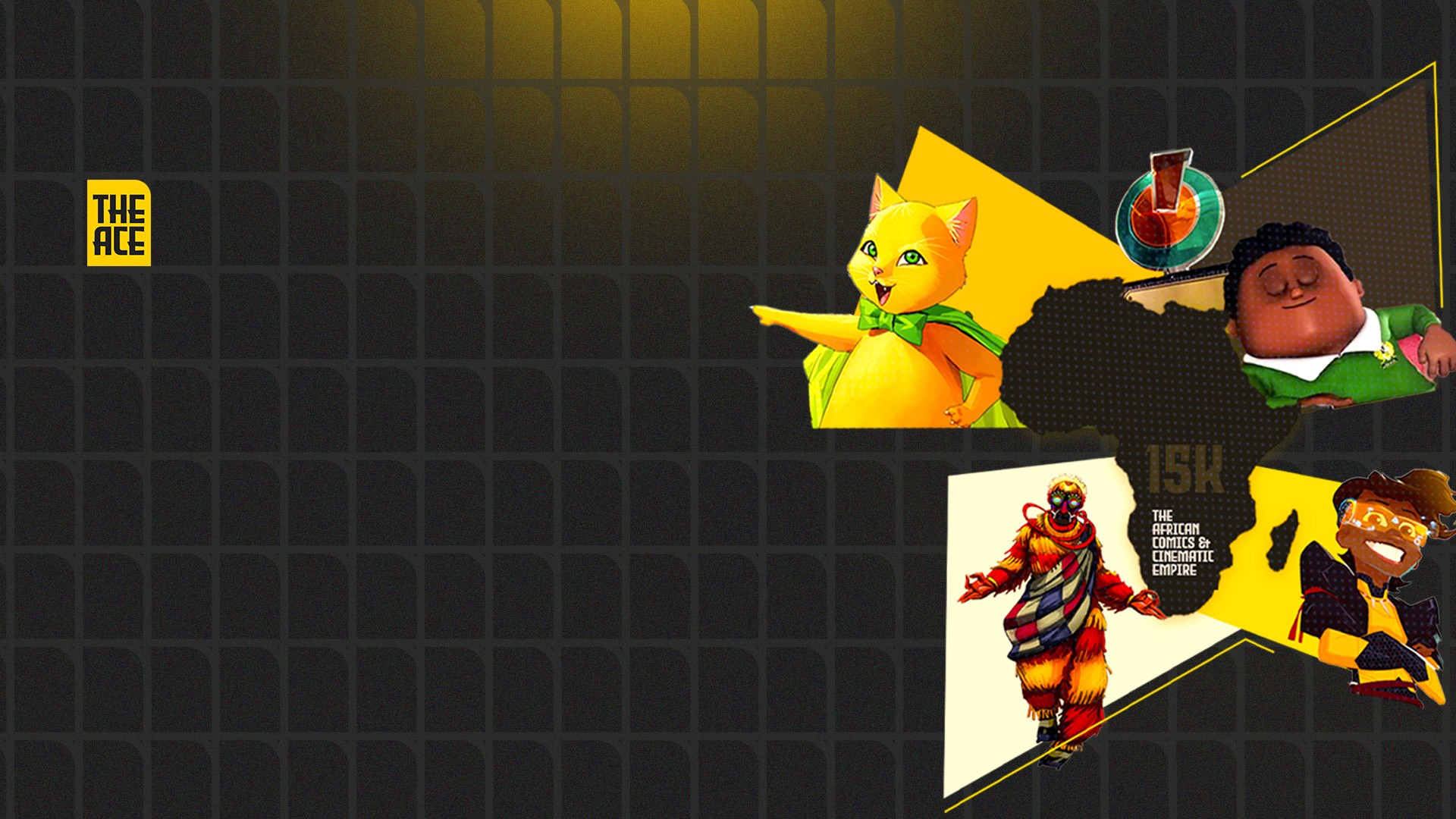
At The African Comics and Cinematic Empire (TheACE), 2025 was not simply about growth in numbers, but about consolidation of identity, intent, responsibility, and purpose. What emerged was a clearer understanding that African comics are no longer seeking permission to exist. The systems, audiences, and institutions must now evolve to meet them where they stand.
Community growth offered the earliest signal of this shift. Within our first six months in 2024, TheACE recorded over 15,000 engagements, growing into a community of more than 1,000 deeply engaged followers. By this year-end, monthly engagement had stabilised above 10,000 interactions, reflecting sustained interest rather than momentary virality. This consistency and data from our backend pointed to a deeper truth: global audiences are increasingly receptive to African stories told on their own terms.
Geographically, 2025 marked a decisive shift beyond national silos. Over the course of the year, TheACE spotlighted over 50 creators, studios, and projects across over 20 African countries. Coverage spanned West, North, Southern, and East Africa, from Nigeria and Ghana to Ethiopia, Morroco, Algeria, Namibia, Cameroon, and South Africa (to mention a few). What began as documentation of isolated scenes evolved into the mapping of a continental creative ecosystem.
Institutional legitimacy followed closely behind. Strategic media partnerships with Lagos Comic Con, Comic Con Ibadan, and Geek Pop Up strengthened TheACE’s role as a connective bridge between creators, audiences, and industry stakeholders. Recognition from Comic Con Ibadan, through an Honorary Award, further affirmed the platform’s contribution to industry documentation, advocacy, and cultural memory.
Perhaps the most consequential milestone of the year was the co-publication of Nigeria’s first dedicated Comic Book Industry Report in collaboration with Bookause. In a sector often driven by anecdote and enthusiasm, the report introduced data, structure, and shared reference points. It marked an important step toward treating African comics not only as art, but as an industry worthy of analysis, policy considerations, and investment. Work is already underway on a subsequent edition, reflecting the pace at which the space continues to evolve.
Editorially, TheACE focused on intervention rather than repetition. The platform published one of the earliest AI editorial policies within the African creative media space, responding proactively to emerging ethical and professional questions. Coverage of Comic Conventions foregrounded new voices alongside established figures, while initiatives like The Morby Guide provided practical frameworks for early-career artists navigating storytelling and craft. The sustained evangelism of Erivic’s Afroblot further moved the dominoes to becoming a recognised comic art style beyond African borders.
Across multiple essays and analyses, TheACE also confronted the long-standing publicity–image challenge facing comics in Africa, arguing for their place as a serious contributor to Africa’s creative economy rather than a peripheral pastime. Drawing parallels from film and adjacent creative industries, we examined transferable growth models that could be adapted to the comic book sector. More recently, the platform engaged critically with Nigeria’s Intellectual Property Policy and Strategy, interrogating its implications for comic book and animation creators.
Looking ahead to 2026, the focus shifts from visibility alone to infrastructure. New initiatives such as TheLibrary are being developed as long-term repositories for African comic history, works, and documentation, while TheSpace is envisioned as a community hub connecting creators, fans, investors, and stakeholders across the continent and its diaspora. TheACE’s long-term ambition is clear: to reach 10 million monthly impressions and translate attention into access, opportunity, and sustainable growth.
If 2025 proved anything, it is that African comics are no longer waiting for external validation. They are documenting themselves, organising their audiences, and defining their future. TheEmpire is no longer an idea. It is under construction.
…………………………………………………………….
…………………………………………………………….
AI Use at TheACE
TheACE uses artificial intelligence tools to support research, drafting and analysis across Africa’s creative industries. All content is verified, edited and approved by our human editorial team to ensure accuracy, clarity and responsible storytelling. AI assists our work; it does not replace human judgment.