Watch and Be Wise - Zebra Comics Ejob Nathanael on Building Reliability Through Small, Finished Work
19 Jan 2026
News
Recent Posts
We Are Moving
14 Feb 2026
Toontopia Festival Returns for Second Edition as Nigeria’s Animation Ecosystem Expands
14 May 2026
Cultural Blind Spot and the Missing Category: Why AMVCA Must Recognise African Animation
13 May 2026
Cairo’s Animatex 2026: A 90-Year Legacy Meets the Cutting Edge of Global Animation
18 Feb 2026
Introducing The10: A Curated List of Women Shaping Africa’s Comic and Animation Future
16 Feb 2026
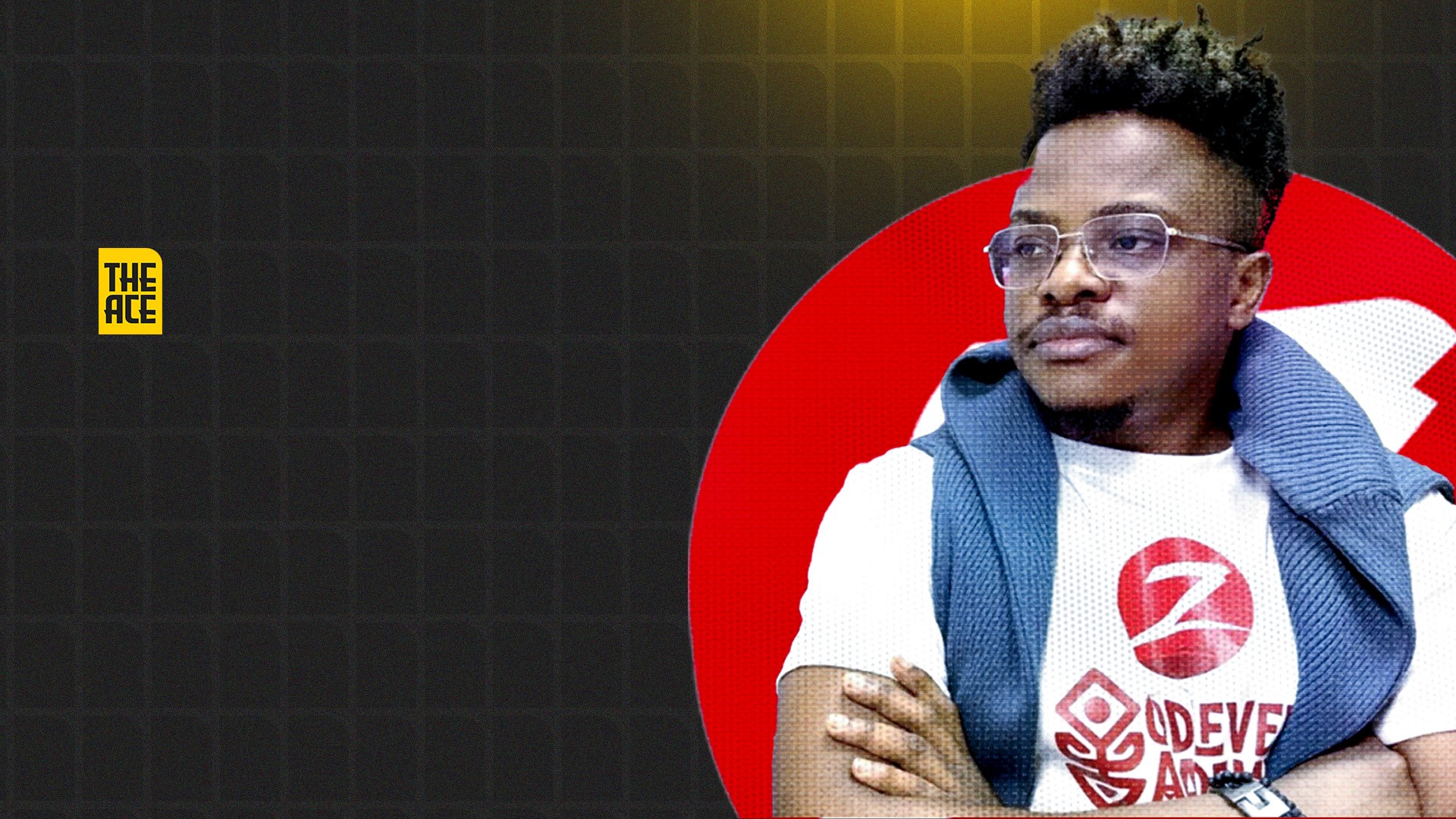
A recent social media video by Ejob Nathanael Ejob, founder of Zebra Comics, has reignited conversation within the comic and graphic storytelling community, drawing attention to a long-standing but often understated industry challenge: creators who disengage midway through projects, leaving collaborators to bear the consequences.
In the Instagram video shared via the Zebra Comics platform, Ejob delivers a concise but pointed message at comic creators, capturing a frustration widely shared by publishers, editors, and project leads who have experienced stalled productions due to unprofessional conduct. Reaching out for more about it, he offered further clarity on the message behind the post, one rooted less in condemnation and more in structure, habit, and long-term creative discipline.
According to Ejob, creators disengaging midway through projects is not simply a matter of bad character. Creators, he notes, are human, and humans err. The deeper issue lies in the absence of systems that train creatives to consistently finish what they start.
Comic production is inherently collaborative, relying on close coordination between writers, artists, colourists, letterers, and editors. When one contributor withdraws, the ripple effects can compromise an entire production pipeline. Ejob points to a familiar pattern within the industry, early enthusiasm that gradually gives way to missed deadlines, poor communication, or complete withdrawal midway through a project.
The fallout is rarely trivial. Time and resources are lost, creative momentum is disrupted, and in many cases, promising titles never reach publication. For independent publishers and small creative teams, particularly within the African comic ecosystem, such setbacks can threaten both sustainability and morale.
For Ejob, reliability is not something artists suddenly acquire when they land larger opportunities. It is built deliberately through repetition and manageable commitments. He advises emerging creators to start small—intentionally so. Rather than chasing large commissions or expansive story arcs, he recommends producing short-form work, such as a mini webcomic series of five episodes, each limited to around twenty panels.
The goal, he explains, is not scale or visibility, but habit: learning to complete work consistently. Repeating this process several times helps creators internalise the discipline of seeing projects through to completion. Only then, Ejob argues, should creators begin positioning themselves for larger collaborations or professional engagements.
An independent comic editor, speaking anonymously, described the situation as a recurring strain on the industry. According to them, months of planning can unravel when a single collaborator fails to honour agreed commitments, forcing teams to either restart production or quietly shelve projects. The issue, they stressed, is typically not a lack of skill, but a lack of professionalism.
Rather than serving as a public call-out, Ejob’s message functions as a caution, especially to emerging creators entering the space. It reinforces a critical industry lesson: artistic talent alone is insufficient in a medium built on collaboration. Reliability, clear communication, and respect for timelines are essential to building trust and sustaining creative ecosystems.
Ejob also clarified that the widely quoted “be wise” phrase originated from the Zebra Comics marketing team. Still, the philosophy behind it remains central: wisdom in the comic industry is not just about creative ambition, but about building habits and systems that allow creators to honour their commitments over time.
As African comics continue to mature, Ejob Nathanael Ejob’s emphasis on systems, scale, and completion offers a practical framework for creators navigating an industry where trust and follow-through are as valuable as talent.
--------------------------------------------------------
--------------------------------------------------------
AI Use at TheACE
TheACE uses artificial intelligence tools to support research, drafting and analysis across Africa’s creative industries. All content is verified, edited and approved by our human editorial team to ensure accuracy, clarity and responsible storytelling. AI assists our work; it does not replace human judgment.